- Welcome to Oil and Gas World Community.

A Community by the Industry and for the Industry

Recent posts
#61
MODEC / FPSO Bacalhau
Last post by Administrator - Apr 11, 2026, 03:05 AM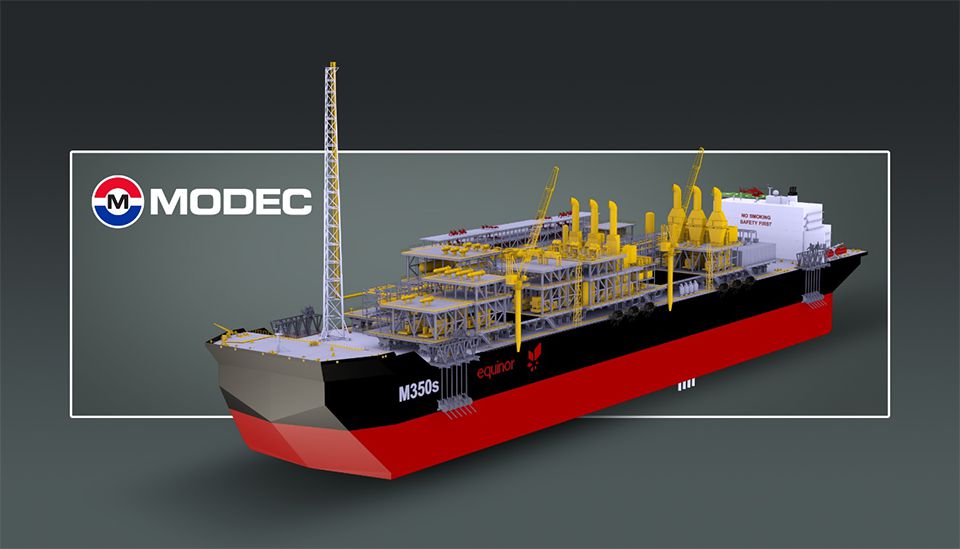
30 Jan 2020
MODEC, Inc. ("MODEC") is pleased to announce that it has signed a Sales and Purchase Agreement (SPA) with Equinor Brasil Energia Ltda, a subsidiary of Equinor ASA ("Equinor"), to supply a Floating Production Storage and Offloading (FPSO) vessel for the Bacalhau (formerly Carcará) field offshore Brazil.
MODEC was awarded a Pre-Front End Engineering Design (Pre-FEED) contract for the FPSO in December 2018 and has now been selected as the turnkey contractor based upon its successful execution of the Pre-FEED contract and its response to the subsequent Invitation to Tender (ITT).
This contract is based on a two-step award. The FEED and pre-investment are starting now, with an option for the execution phase under a lump sum turnkey contract setup which includes engineering, procurement, construction and installation for the entire FPSO scopes. Option for the contract is subject to Equinor's planned investment decision for the Bacalhau project late 2020.
The FPSO vessel will be deployed at the Bacalhau field, Block BM-S-8, located in the giant "pre-salt" region of the Santos Basin some 185 kilometers off the coast of the municipality of Ilhabela/SP, in the state of São Paulo. Equinor's field partners are ExxonMobil (40%) and Petrogal Brasil (20 %)
MODEC will be responsible for the design and construction of the FPSO, including topsides processing equipment as well as hull and marine systems. The FPSO vessel will be permanently moored at a water depth of approximately 2,050 meters by a spread mooring system to be supplied by MODEC group company, SOFEC, Inc. First oil production is planned in the 2023-2024 timeframe.
The FPSO will be the largest FPSO ever delivered to Brazil. It will have a large topside designed to produce up to 220,000 barrels of crude oil per day, produce and inject up to 530 million standard cubic feet of associated gas per day and inject up to 200,000 barrels of seawater per day. Its minimum storage capacity of crude oil will be 2,000,000 barrels.
The FPSO will be the second application of MODEC's "M350 Hull", a next generation new built hull for FPSOs, full double hull design, which has been developed to accommodate larger topsides and larger storage capacity than conventional VLCC tankers, with a longer design service life. The hull will be built by Dalian Shipbuilding Industry Co., Ltd. (DSIC) in Dalian, China.
"We are extremely honored and proud to have been selected to provide a world class FPSO for Bacalhau project which is Equinor's first pre-salt project in Brazil," commented Yuji Kozai, President and CEO of MODEC. "We believe this is the start of a long-term relationship with our clients Equinor, ExxonMobil and Petrogal Brasil and an opportunity that strengthens MODEC's position as the leading FPSO service provider to the industry. We are committed to carry out this major project by cooperating closely with our clients in order to contribute to the advancement of the energy industry in Brazil."
The FPSO will be MODEC's 17th FPSO/FSO vessel in Brazil and MODEC's 9th FPSO in the pre-salt region, as well as MODEC's first contract with Equinor.
#62
Upstream Contractors / HBA Offshore
Last post by Administrator - Apr 11, 2026, 02:20 AMHBA Offshore: From Oil & Gas Roots to Energy Transition Leader
1. Introduction
HBA Offshore, now known as HBA Future Energy, is a Singapore-based offshore energy company founded in 2015. It operates at the intersection of traditional oil & gas infrastructure and emerging renewable energy solutions, positioning itself as a key player in the global energy transition.
The company provides engineering, project management, and asset-based services across offshore oil, gas, and renewable sectors, with operations spanning Asia, Africa, and Latin America.
2. Founders and Leadership
HBA Offshore was founded in January 2015 by Hassan Basma and a team of seasoned offshore industry professionals.
Hassan Basma (Founder & CEO)
Founding Team
The broader founding team brought:
Vision:
The founders aimed to leverage offshore oil & gas expertise and apply it to the future of floating renewable energy systems.
3. Funding and Financial Structure
Unlike many tech startups, HBA Offshore follows a traditional industrial and project-financing model rather than venture capital-driven growth.
Key Funding Characteristics
The company has achieved:
👉 In short, HBA grows through contracts and infrastructure ownership, not venture capital rounds.
4. Business Model: How HBA Operates
HBA Offshore runs a dual-division model, combining traditional offshore engineering with future-facing energy solutions.
A. EPICOM Services (Core Offshore Business)
EPICOM stands for:
Key offerings:
This division generates stable, contract-based revenue and leverages the founders' legacy expertise.
B. Renewable & Hybrid Energy Division
This is HBA's growth engine.
Focus areas include:
A major milestone:
C. "Design–Build–Own–Operate" Strategy
HBA differentiates itself by not just building projects, but also owning and operating offshore assets.
This model allows:
5. Growth Strategy and Expansion
HBA's growth has been rapid and global:
Geographic Expansion
Strategic Milestones
Transition to HBA Future Energy
In 2024, the company rebranded to reflect its shift toward sustainability and renewable energy leadership.
6. How HBA Runs Its Business
HBA's operational philosophy is built on a few key principles:
1. Leveraging Legacy Expertise
The company applies decades of oil & gas experience to new energy systems—especially floating infrastructure.
2. Asset-Based Strategy
Rather than acting only as a contractor, HBA:
3. Technology & Efficiency Focus
4. Early Move into Energy Transition
Unlike traditional oil & gas firms, HBA:
Entered renewables as early as 2017
Built a pipeline exceeding 1 GW of renewable projects
7. Conclusion
HBA Offshore represents a new type of energy company—one that bridges the gap between fossil fuel infrastructure and renewable innovation.
Its transformation into HBA Future Energy highlights a broader industry shift: companies with deep offshore expertise are uniquely positioned to lead the future of floating renewable energy systems.
If you want, I can break this down into a case study (SWOT analysis, business strategy, or valuation perspective) or compare HBA with competitors like BW Offshore or SBM Offshore.
1. Introduction
HBA Offshore, now known as HBA Future Energy, is a Singapore-based offshore energy company founded in 2015. It operates at the intersection of traditional oil & gas infrastructure and emerging renewable energy solutions, positioning itself as a key player in the global energy transition.
The company provides engineering, project management, and asset-based services across offshore oil, gas, and renewable sectors, with operations spanning Asia, Africa, and Latin America.
2. Founders and Leadership
HBA Offshore was founded in January 2015 by Hassan Basma and a team of seasoned offshore industry professionals.
Hassan Basma (Founder & CEO)
- Over 40 years of experience in offshore energy
- Former CEO of Bumi Armada, where he transformed the company into a top global FPSO (Floating Production Storage and Offloading) player
- Held senior roles at major firms such as SBM and Kvaerner
Founding Team
The broader founding team brought:
- Over 200 years of combined industry experience
- Deep expertise in FPSO systems, offshore engineering, and project delivery
Vision:
The founders aimed to leverage offshore oil & gas expertise and apply it to the future of floating renewable energy systems.
3. Funding and Financial Structure
Unlike many tech startups, HBA Offshore follows a traditional industrial and project-financing model rather than venture capital-driven growth.
Key Funding Characteristics
- Privately held company based in Singapore
- Initial capital structure includes modest paid-up capital (e.g., ~USD 80,000 at incorporation)
- Growth primarily funded through: Project revenues, Strategic contracts, Asset-based financing (e.g., FPSO leasing models)
- Engineering and consultancy services
- Long-term offshore asset leasing (e.g., FPSOs)
- Renewable energy project development
The company has achieved:
- Early profitability and positive cash flow by 2019
- A projected revenue pipeline exceeding $1 billion by 2028 from ongoing and planned projects
👉 In short, HBA grows through contracts and infrastructure ownership, not venture capital rounds.
4. Business Model: How HBA Operates
HBA Offshore runs a dual-division model, combining traditional offshore engineering with future-facing energy solutions.
A. EPICOM Services (Core Offshore Business)
EPICOM stands for:
- Engineering
- Procurement
- Installation
- Commissioning
- Operations & Maintenance
Key offerings:
- FPSO and FSO development
- Offshore platform upgrades and conversions
- Marine services and logistics
- Deepwater and floating production systems
This division generates stable, contract-based revenue and leverages the founders' legacy expertise.
B. Renewable & Hybrid Energy Division
This is HBA's growth engine.
Focus areas include:
- Offshore wind (e.g., substations and foundations)
- Floating renewable infrastructure
- Green ammonia production
- Hybrid energy systems and grid stabilization
A major milestone:
- Award of a 532 MW offshore wind substation project in South Korea, marking its entry into large-scale renewables
C. "Design–Build–Own–Operate" Strategy
HBA differentiates itself by not just building projects, but also owning and operating offshore assets.
This model allows:
- Recurring long-term income
- Higher margins compared to pure contractors
- Greater control over project lifecycle
5. Growth Strategy and Expansion
HBA's growth has been rapid and global:
Geographic Expansion
- Southeast Asia (Indonesia, Malaysia, Vietnam)
- Africa (Nigeria, Ghana, Congo)
- Latin America (Mexico)
Strategic Milestones
- First major contract: ENI Jangkrik FPSO (Indonesia)
- Largest contract: EMEM FPSO project (Nigeria)
- Entry into renewables: Offshore wind and ammonia projects
Transition to HBA Future Energy
In 2024, the company rebranded to reflect its shift toward sustainability and renewable energy leadership.
6. How HBA Runs Its Business
HBA's operational philosophy is built on a few key principles:
1. Leveraging Legacy Expertise
The company applies decades of oil & gas experience to new energy systems—especially floating infrastructure.
2. Asset-Based Strategy
Rather than acting only as a contractor, HBA:
- Owns offshore assets
- Operates them over long-term contracts
- Generates recurring revenue streams
3. Technology & Efficiency Focus
- Uses data analytics and robotics to reduce costs
- Focuses on efficiency in capital (CapEx) and operations (OpEx)
4. Early Move into Energy Transition
Unlike traditional oil & gas firms, HBA:
Entered renewables as early as 2017
Built a pipeline exceeding 1 GW of renewable projects
7. Conclusion
HBA Offshore represents a new type of energy company—one that bridges the gap between fossil fuel infrastructure and renewable innovation.
- Founded by industry veterans, not tech entrepreneurs
- Funded through contracts and assets, not venture capital
- Operates a hybrid business model, combining offshore engineering with renewable energy development
Its transformation into HBA Future Energy highlights a broader industry shift: companies with deep offshore expertise are uniquely positioned to lead the future of floating renewable energy systems.
If you want, I can break this down into a case study (SWOT analysis, business strategy, or valuation perspective) or compare HBA with competitors like BW Offshore or SBM Offshore.
#63
Bumi Armada / Armada Kraken
Last post by Administrator - Apr 10, 2026, 07:38 AM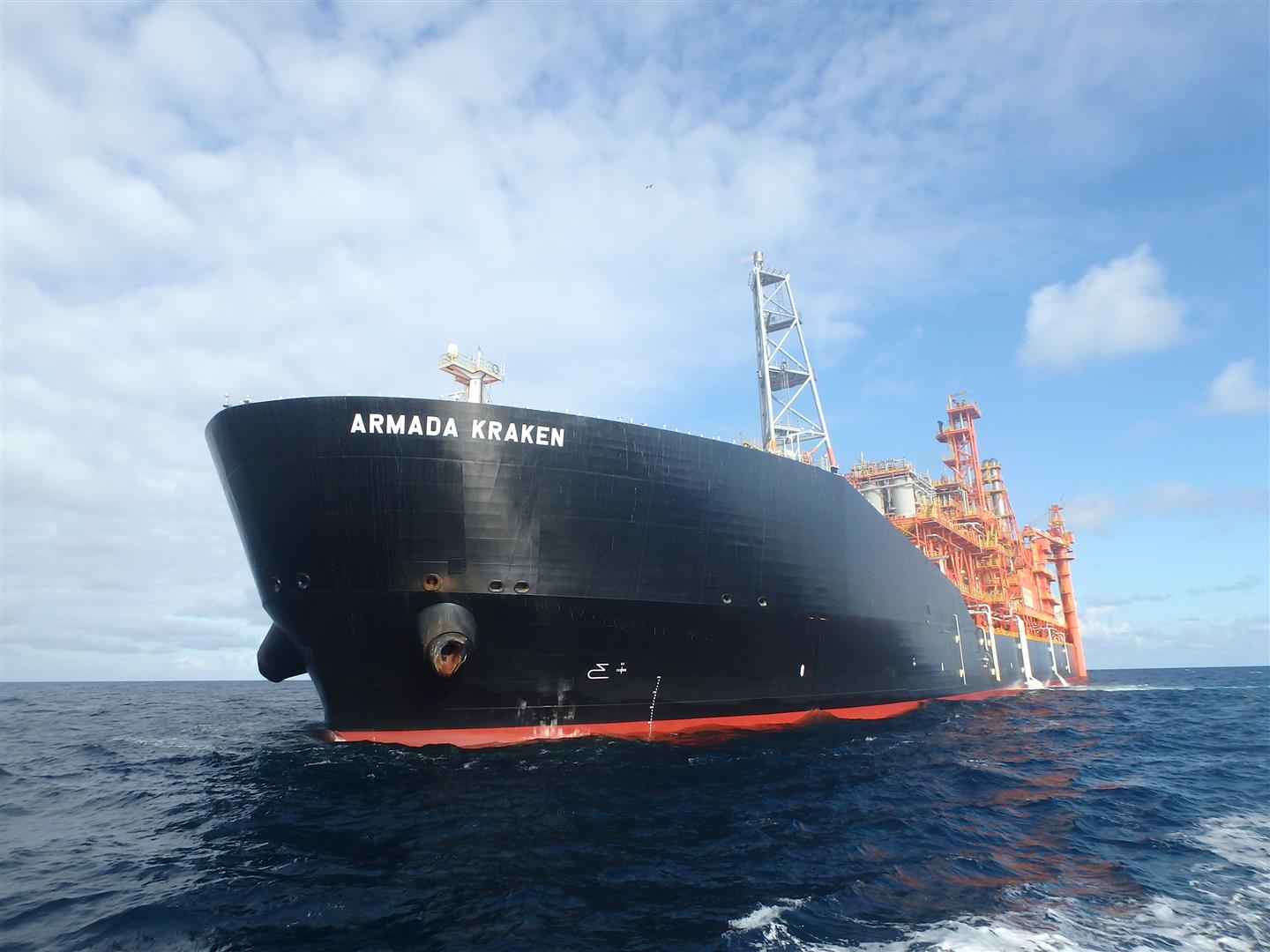
The Armada Kraken FPSO is a floating production, storage and offloading vessel owned and operated by Bumi Armada Berhad, designed for deployment in harsh environments such as the UK sector of the North Sea. It represents a significant milestone for the company, marking its first entry into the North Sea FPSO market and its first heavy oil production facility.
The vessel was originally built in 2007 as an ice-class tanker before undergoing conversion into an FPSO in 2016 at Keppel Shipyard. The converted unit was subsequently deployed to the Kraken oil field, where it achieved first oil in June 2017, signaling the start of production operations. This conversion approach—repurposing a tanker hull—allowed for cost efficiency while meeting the technical demands of heavy oil production in a harsh offshore environment.
Technically, the Armada Kraken FPSO is a large and highly capable offshore production unit. It has an oil production capacity of approximately 80,000 barrels per day, with a storage capacity of 600,000 barrels. The vessel is also designed to handle 460,000 barrels of liquid per day, 275,000 barrels per day of water injection, and 20 million standard cubic feet per day of gas handling. Measuring about 285 metres in length with a deadweight of over 120,000 tonnes, it is equipped with an internal turret mooring system (Submerged Turret Production), enabling it to remain stable and operational under severe North Sea conditions. The FPSO also incorporates advanced systems such as hydraulic subsea pumps and a multi-fuel power generation system, supporting efficient heavy oil extraction.
The client for the Armada Kraken FPSO is led by EnQuest PLC, acting as operator on behalf of a consortium that includes EnQuest subsidiaries and other partners such as First Oil & Gas and Nautical Petroleum. The vessel operates on the Kraken oil field, located in the UK sector of the North Sea. This field is one of the largest heavy oil developments in the region, with an estimated 140 million barrels of recoverable oil and a projected production life of around 25 years.
The project was secured under a major contract signed in December 2013, comprising a bareboat charter and an operations and maintenance agreement. The total contract value is approximately USD 1.4 billion (about RM 4.6 billion) for an initial fixed period of eight years, with options for up to 17 annual extensions that could significantly increase its long-term value. This long-term contract structure reflects the capital-intensive nature of FPSO projects and provides stable revenue streams for the operator.
In summary, the Armada Kraken FPSO is a technologically advanced offshore production facility that combines large-scale processing capacity with robust engineering suited for harsh environments. Its development highlights Bumi Armada's capabilities in converting and operating FPSOs, while the long-term contract with EnQuest and its partners underscores the strategic importance of the Kraken oil field within the UK North Sea energy sector.
#64
EPC Companies / OceanStar Elite Group
Last post by Administrator - Apr 09, 2026, 03:26 AMOceanstar Elite Group is a China-based offshore engineering and marine services company that operates primarily in the oil and gas sector, with capabilities spanning offshore construction support, vessel services, and engineering solutions. Compared to larger listed players, Oceanstar Elite has developed along a more privately driven path, with its growth shaped by internal capital, project-based revenue, and gradual scaling within regional offshore markets.
In its early years, Oceanstar Elite focused on establishing a foothold in the offshore services industry by building operational capabilities and securing smaller contracts. Funding during this stage was largely derived from private sources, including founder capital and closely held investor backing. Like many emerging offshore service providers, the company relied heavily on retained earnings from initial projects to expand its fleet, hire technical personnel, and develop its service offerings. This reinvestment-driven model allowed Oceanstar Elite to grow steadily without requiring significant external equity financing.
Bank financing also played an important role in supporting early expansion. As the company began acquiring vessels and offshore equipment, it required access to debt capital to fund these asset purchases. Relationships with domestic financial institutions enabled Oceanstar Elite to secure loans, often backed by its vessels and contracts. This form of asset-backed financing is common in the marine services industry, where physical assets can be used as collateral to support borrowing.
As Oceanstar Elite gained experience and built a track record of project execution, it was able to secure larger and more complex contracts, particularly in regional offshore markets. These contracts generated stronger and more stable cash flows, which were reinvested into expanding operational capacity. The company's growth during this phase was closely tied to the broader development of offshore oil and gas activity, especially in Asia, where demand for support services increased alongside exploration and production efforts.
Unlike many larger competitors, Oceanstar Elite did not initially rely on public equity markets for funding. Instead, it maintained a relatively private ownership structure, which allowed for greater control over strategic decisions and a longer-term approach to growth. However, this also meant that the company needed to be more disciplined in managing cash flow and leverage, as access to capital was more limited compared to publicly listed firms.
Project-based financing has been a key component of Oceanstar Elite's funding strategy. In some cases, contracts with clients provide advance payments or structured payment schedules that help offset upfront costs. These arrangements, combined with bank loans, enable the company to undertake projects without excessive strain on its balance sheet. Effective project management and cost control are therefore critical to maintaining financial stability.
Over time, Oceanstar Elite has continued to expand its capabilities and explore opportunities in related sectors, including offshore support for renewable energy projects. Funding for these newer initiatives has typically come from internally generated funds and incremental borrowing, reflecting a cautious approach to diversification. The company's strategy emphasizes gradual growth and risk management rather than rapid expansion through large-scale external financing.
Today, Oceanstar Elite remains a relatively niche player compared to major global contractors, but it has established a stable presence in its operating segments. Its investor base continues to consist primarily of private stakeholders, and its funding model is centered on a combination of retained earnings, bank financing, and project-driven cash flows.
In conclusion, Oceanstar Elite's development reflects a more conservative and organic growth path within the offshore services industry. By relying on internal funding, asset-backed loans, and disciplined project execution, the company has been able to build its operations without heavy dependence on public markets. This approach has allowed it to navigate industry cycles while maintaining financial control, positioning it for steady, long-term growth.
In its early years, Oceanstar Elite focused on establishing a foothold in the offshore services industry by building operational capabilities and securing smaller contracts. Funding during this stage was largely derived from private sources, including founder capital and closely held investor backing. Like many emerging offshore service providers, the company relied heavily on retained earnings from initial projects to expand its fleet, hire technical personnel, and develop its service offerings. This reinvestment-driven model allowed Oceanstar Elite to grow steadily without requiring significant external equity financing.
Bank financing also played an important role in supporting early expansion. As the company began acquiring vessels and offshore equipment, it required access to debt capital to fund these asset purchases. Relationships with domestic financial institutions enabled Oceanstar Elite to secure loans, often backed by its vessels and contracts. This form of asset-backed financing is common in the marine services industry, where physical assets can be used as collateral to support borrowing.
As Oceanstar Elite gained experience and built a track record of project execution, it was able to secure larger and more complex contracts, particularly in regional offshore markets. These contracts generated stronger and more stable cash flows, which were reinvested into expanding operational capacity. The company's growth during this phase was closely tied to the broader development of offshore oil and gas activity, especially in Asia, where demand for support services increased alongside exploration and production efforts.
Unlike many larger competitors, Oceanstar Elite did not initially rely on public equity markets for funding. Instead, it maintained a relatively private ownership structure, which allowed for greater control over strategic decisions and a longer-term approach to growth. However, this also meant that the company needed to be more disciplined in managing cash flow and leverage, as access to capital was more limited compared to publicly listed firms.
Project-based financing has been a key component of Oceanstar Elite's funding strategy. In some cases, contracts with clients provide advance payments or structured payment schedules that help offset upfront costs. These arrangements, combined with bank loans, enable the company to undertake projects without excessive strain on its balance sheet. Effective project management and cost control are therefore critical to maintaining financial stability.
Over time, Oceanstar Elite has continued to expand its capabilities and explore opportunities in related sectors, including offshore support for renewable energy projects. Funding for these newer initiatives has typically come from internally generated funds and incremental borrowing, reflecting a cautious approach to diversification. The company's strategy emphasizes gradual growth and risk management rather than rapid expansion through large-scale external financing.
Today, Oceanstar Elite remains a relatively niche player compared to major global contractors, but it has established a stable presence in its operating segments. Its investor base continues to consist primarily of private stakeholders, and its funding model is centered on a combination of retained earnings, bank financing, and project-driven cash flows.
In conclusion, Oceanstar Elite's development reflects a more conservative and organic growth path within the offshore services industry. By relying on internal funding, asset-backed loans, and disciplined project execution, the company has been able to build its operations without heavy dependence on public markets. This approach has allowed it to navigate industry cycles while maintaining financial control, positioning it for steady, long-term growth.
#65
EPC Companies / BOMESC
Last post by Administrator - Apr 09, 2026, 03:20 AMBomesc Offshore Engineering Company Limited (BOMESC) is a China-based offshore engineering and construction company specializing in the fabrication of modules and structures for the oil and gas industry. Headquartered in Tianjin, BOMESC has established itself as a key fabrication yard serving both domestic and international clients. Its growth story reflects a typical path among Chinese industrial firms, combining early-stage internal funding, gradual scaling through project execution, and eventual access to public capital markets.
In its early years, BOMESC focused on building its fabrication capabilities and infrastructure, which required significant upfront investment. Funding during this stage was primarily derived from internal sources, including capital from its founders and retained earnings from initial contracts. Like many engineering and fabrication companies in China, BOMESC also relied on bank loans from domestic financial institutions to support the construction of its shipyard facilities and the acquisition of equipment. These funding sources allowed the company to establish a solid operational base without excessive reliance on external investors.
As the company expanded, it benefited from China's rapid growth in the energy and shipbuilding sectors, which created strong demand for offshore modules and structures. BOMESC leveraged this favorable market environment to secure contracts and generate steady cash flow, which was reinvested into expanding its yard capacity and improving technical capabilities. This reinvestment-driven growth strategy enabled the company to scale up its operations and build a track record that would later attract larger clients and investors.
A major milestone in BOMESC's development was its listing on the Hong Kong Stock Exchange in 2013. The initial public offering (IPO) marked its transition into the international capital markets and provided access to new funding sources. Proceeds from the IPO were used to enhance production facilities, expand capacity, and strengthen working capital. The listing also increased the company's visibility and credibility, helping it compete for larger and more complex projects in the global offshore industry.
Following its IPO, BOMESC adopted a more diversified funding strategy. Equity financing from public markets provided flexibility for future capital raising, while debt financing remained an important component of its capital structure. The company continued to secure loans from banks to fund working capital needs and capital expenditures, particularly given the project-based nature of its business, which often requires significant upfront costs before payments are received.
Another important aspect of BOMESC's funding approach has been its reliance on project-driven cash flows. Contracts with major oil and gas companies and engineering contractors provide the primary source of revenue, and timely execution of these projects is critical to maintaining liquidity. The company has focused on improving operational efficiency and cost control to ensure that project margins contribute positively to its financial stability.
Despite operating in a cyclical industry, BOMESC has managed to sustain its growth by maintaining a relatively balanced approach to financing. It has combined internally generated funds with external capital from both equity and debt markets, allowing it to adapt to changing market conditions. This flexibility has been particularly important during downturns in the offshore oil and gas sector, when access to capital can become more constrained.
In recent years, BOMESC has also explored opportunities beyond traditional oil and gas fabrication, including participation in projects related to cleaner energy and infrastructure. Funding for these initiatives continues to come from a mix of retained earnings, bank financing, and potential capital market activities, reflecting the company's ongoing efforts to diversify its business.
In conclusion, BOMESC's growth has been driven by a combination of early internal funding, strategic use of bank financing, and eventual access to public equity markets through its Hong Kong listing. By reinvesting earnings, expanding its fabrication capabilities, and maintaining financial discipline, the company has developed into a competitive offshore engineering player. Its funding strategy, centered on flexibility and gradual scaling, has been key to its ability to navigate industry cycles and pursue new growth opportunities.
In its early years, BOMESC focused on building its fabrication capabilities and infrastructure, which required significant upfront investment. Funding during this stage was primarily derived from internal sources, including capital from its founders and retained earnings from initial contracts. Like many engineering and fabrication companies in China, BOMESC also relied on bank loans from domestic financial institutions to support the construction of its shipyard facilities and the acquisition of equipment. These funding sources allowed the company to establish a solid operational base without excessive reliance on external investors.
As the company expanded, it benefited from China's rapid growth in the energy and shipbuilding sectors, which created strong demand for offshore modules and structures. BOMESC leveraged this favorable market environment to secure contracts and generate steady cash flow, which was reinvested into expanding its yard capacity and improving technical capabilities. This reinvestment-driven growth strategy enabled the company to scale up its operations and build a track record that would later attract larger clients and investors.
A major milestone in BOMESC's development was its listing on the Hong Kong Stock Exchange in 2013. The initial public offering (IPO) marked its transition into the international capital markets and provided access to new funding sources. Proceeds from the IPO were used to enhance production facilities, expand capacity, and strengthen working capital. The listing also increased the company's visibility and credibility, helping it compete for larger and more complex projects in the global offshore industry.
Following its IPO, BOMESC adopted a more diversified funding strategy. Equity financing from public markets provided flexibility for future capital raising, while debt financing remained an important component of its capital structure. The company continued to secure loans from banks to fund working capital needs and capital expenditures, particularly given the project-based nature of its business, which often requires significant upfront costs before payments are received.
Another important aspect of BOMESC's funding approach has been its reliance on project-driven cash flows. Contracts with major oil and gas companies and engineering contractors provide the primary source of revenue, and timely execution of these projects is critical to maintaining liquidity. The company has focused on improving operational efficiency and cost control to ensure that project margins contribute positively to its financial stability.
Despite operating in a cyclical industry, BOMESC has managed to sustain its growth by maintaining a relatively balanced approach to financing. It has combined internally generated funds with external capital from both equity and debt markets, allowing it to adapt to changing market conditions. This flexibility has been particularly important during downturns in the offshore oil and gas sector, when access to capital can become more constrained.
In recent years, BOMESC has also explored opportunities beyond traditional oil and gas fabrication, including participation in projects related to cleaner energy and infrastructure. Funding for these initiatives continues to come from a mix of retained earnings, bank financing, and potential capital market activities, reflecting the company's ongoing efforts to diversify its business.
In conclusion, BOMESC's growth has been driven by a combination of early internal funding, strategic use of bank financing, and eventual access to public equity markets through its Hong Kong listing. By reinvesting earnings, expanding its fabrication capabilities, and maintaining financial discipline, the company has developed into a competitive offshore engineering player. Its funding strategy, centered on flexibility and gradual scaling, has been key to its ability to navigate industry cycles and pursue new growth opportunities.
#66
Oilfield Services Companies / NOV Inc
Last post by Administrator - Apr 09, 2026, 03:16 AMNOV Inc., formerly known as National Oilwell Varco, is a leading American provider of equipment and technology for the oil and gas industry, particularly in drilling and production systems. The company's history is rooted in a series of mergers and industrial developments that date back more than a century, combining the legacies of National Supply Company and Oilwell Supply Company. Over time, NOV has grown into a global leader by leveraging engineering innovation, strategic acquisitions, and a disciplined approach to funding and capital management.
In its early years, the foundations of NOV were built through industrial entrepreneurship and steady organic growth. Companies such as National Supply, founded in the late 19th century, initially focused on supplying equipment to the rapidly expanding oil industry in the United States. Funding during this period was relatively straightforward, relying heavily on private ownership, retained earnings, and bank financing. As demand for oilfield equipment grew alongside the expansion of the petroleum industry, these companies were able to reinvest profits into manufacturing capacity, distribution networks, and product development.
As the oil industry matured, consolidation became a defining feature, and NOV's predecessors participated actively in mergers and acquisitions. These transactions were often financed through a mix of equity and debt, allowing the companies to expand their capabilities and geographic reach. By combining complementary businesses, they were able to achieve economies of scale and strengthen their market position. This consolidation strategy laid the groundwork for the modern NOV entity, which formally took shape through mergers in the late 20th century.
A significant turning point came when National Oilwell and Varco International merged in 2005, forming National Oilwell Varco. This merger was supported by public equity markets and debt financing, reflecting the company's transition into a large, publicly traded industrial player. Access to capital markets enabled NOV to accelerate its growth strategy, particularly through acquisitions of specialized equipment manufacturers and technology providers.
In the early years as a combined entity, NOV relied on a diversified funding approach. Equity financing provided a strong capital base, while debt instruments such as bonds and credit facilities were used to fund acquisitions and capital expenditures. The company also benefited from strong operational cash flow, driven by high demand for drilling equipment during periods of elevated oil prices. This cash flow was reinvested into research and development, as well as further expansion of its product portfolio.
One of NOV's key strengths has been its asset-light manufacturing and technology-driven model compared to asset-heavy offshore operators. This allowed the company to grow without the same level of capital intensity required for owning large offshore assets. As a result, its early funding needs, while still significant, were more manageable and could be supported through a combination of internal cash generation and external financing.
Throughout its growth, NOV maintained strong relationships with banks and capital market investors, enabling it to access funding on favorable terms. The company's scale, diversified product offerings, and global customer base made it an attractive investment, particularly during periods of industry growth. Its ability to generate consistent cash flow also reduced reliance on frequent equity issuance, allowing it to maintain shareholder value.
In addition to acquisitions, NOV invested heavily in innovation and technology, which became a major driver of its long-term success. Funding for these initiatives came largely from retained earnings, demonstrating the company's ability to sustain growth through internally generated capital. This approach helped NOV build a competitive advantage in drilling systems, automation, and digital solutions.
In conclusion, NOV's early success can be attributed to a combination of steady organic growth, strategic consolidation, and disciplined financial management. From its beginnings as a supplier to the emerging oil industry, the company leveraged private capital, reinvested earnings, and bank financing to expand its operations. As it evolved into a global leader, access to public equity and debt markets further accelerated its growth. This balanced and adaptable funding strategy has been central to NOV's development and continues to support its position in the global energy industry.
In its early years, the foundations of NOV were built through industrial entrepreneurship and steady organic growth. Companies such as National Supply, founded in the late 19th century, initially focused on supplying equipment to the rapidly expanding oil industry in the United States. Funding during this period was relatively straightforward, relying heavily on private ownership, retained earnings, and bank financing. As demand for oilfield equipment grew alongside the expansion of the petroleum industry, these companies were able to reinvest profits into manufacturing capacity, distribution networks, and product development.
As the oil industry matured, consolidation became a defining feature, and NOV's predecessors participated actively in mergers and acquisitions. These transactions were often financed through a mix of equity and debt, allowing the companies to expand their capabilities and geographic reach. By combining complementary businesses, they were able to achieve economies of scale and strengthen their market position. This consolidation strategy laid the groundwork for the modern NOV entity, which formally took shape through mergers in the late 20th century.
A significant turning point came when National Oilwell and Varco International merged in 2005, forming National Oilwell Varco. This merger was supported by public equity markets and debt financing, reflecting the company's transition into a large, publicly traded industrial player. Access to capital markets enabled NOV to accelerate its growth strategy, particularly through acquisitions of specialized equipment manufacturers and technology providers.
In the early years as a combined entity, NOV relied on a diversified funding approach. Equity financing provided a strong capital base, while debt instruments such as bonds and credit facilities were used to fund acquisitions and capital expenditures. The company also benefited from strong operational cash flow, driven by high demand for drilling equipment during periods of elevated oil prices. This cash flow was reinvested into research and development, as well as further expansion of its product portfolio.
One of NOV's key strengths has been its asset-light manufacturing and technology-driven model compared to asset-heavy offshore operators. This allowed the company to grow without the same level of capital intensity required for owning large offshore assets. As a result, its early funding needs, while still significant, were more manageable and could be supported through a combination of internal cash generation and external financing.
Throughout its growth, NOV maintained strong relationships with banks and capital market investors, enabling it to access funding on favorable terms. The company's scale, diversified product offerings, and global customer base made it an attractive investment, particularly during periods of industry growth. Its ability to generate consistent cash flow also reduced reliance on frequent equity issuance, allowing it to maintain shareholder value.
In addition to acquisitions, NOV invested heavily in innovation and technology, which became a major driver of its long-term success. Funding for these initiatives came largely from retained earnings, demonstrating the company's ability to sustain growth through internally generated capital. This approach helped NOV build a competitive advantage in drilling systems, automation, and digital solutions.
In conclusion, NOV's early success can be attributed to a combination of steady organic growth, strategic consolidation, and disciplined financial management. From its beginnings as a supplier to the emerging oil industry, the company leveraged private capital, reinvested earnings, and bank financing to expand its operations. As it evolved into a global leader, access to public equity and debt markets further accelerated its growth. This balanced and adaptable funding strategy has been central to NOV's development and continues to support its position in the global energy industry.
#67
Upstream Contractors / SBM Offshore
Last post by Administrator - Apr 09, 2026, 03:14 AMSBM Offshore N.V. is a Dutch-based global provider of floating production solutions for the offshore oil and gas industry. With a history dating back to the 19th century through its predecessor companies, SBM Offshore has evolved into a leading player in the design, construction, installation, and operation of floating production storage and offloading (FPSO) units. Its long-term growth has been driven by a combination of engineering expertise, strategic financing, and the ability to adapt its business model to the capital-intensive nature of offshore energy projects.
In its early years, SBM Offshore—then operating through legacy entities such as IHC Holland and Single Buoy Moorings—relied primarily on industrial revenues and internal financing to sustain operations. The company's business initially focused on offshore mooring systems, which required relatively lower capital investment compared to modern FPSO projects. Funding during this stage was largely derived from retained earnings, bank lending, and support from industrial stakeholders in the Netherlands. This conservative financial approach allowed the company to build technical expertise and establish a reputation in offshore engineering without taking on excessive financial risk.
A key turning point in SBM Offshore's growth came with its strategic shift toward the FPSO leasing model. Unlike traditional contractors that simply build and deliver assets, SBM began to retain ownership of its FPSOs and lease them to oil companies under long-term contracts. This transition significantly increased capital requirements but also created a stable and recurring revenue model. To support this shift, SBM Offshore expanded its funding strategy by accessing both equity and debt markets, enabling it to finance the construction of large-scale offshore assets.
As a publicly listed company on Euronext Amsterdam, SBM Offshore has been able to raise capital through equity offerings and maintain a diverse base of institutional and retail investors. Public market access has provided the financial flexibility needed to invest in new projects and technologies, while also enhancing transparency and corporate governance. Over time, the company has built strong relationships with investors who are attracted to its long-term contract-based revenue streams.
Debt financing has played an especially critical role in SBM Offshore's expansion. The company has made extensive use of project financing structures, where individual FPSO projects are funded through special-purpose entities backed by long-term lease contracts with oil companies. These contracts, often spanning 10 to 20 years, provide predictable cash flows that support loan repayment. Banks and export credit agencies have been key partners in these financing arrangements, enabling SBM to undertake multiple large projects simultaneously.
In addition to traditional bank loans, SBM Offshore has accessed capital markets through bond issuances and other debt instruments. Its ability to secure financing at competitive rates has been supported by its strong project backlog, operational track record, and long-term relationships with major energy companies. The company has also demonstrated financial discipline by actively managing its debt levels and refinancing obligations when market conditions are favorable.
Throughout its history, SBM Offshore has used a combination of reinvested earnings and external financing to fuel growth. Profits generated from operating FPSOs are often reinvested into new projects, creating a cycle of continuous expansion. This model has allowed the company to scale its operations globally, with projects in regions such as West Africa, Brazil, and Southeast Asia.
Despite challenges such as fluctuations in oil prices and industry downturns, SBM Offshore has maintained resilience by focusing on long-term contracts and high-quality clients. Its funding strategy has evolved to balance risk and return, ensuring that it can continue to invest in new opportunities while maintaining financial stability. In recent years, the company has also begun exploring renewable energy and offshore floating solutions beyond oil and gas, signaling a gradual diversification of its portfolio.
In conclusion, SBM Offshore's growth story is closely tied to its ability to secure and manage funding effectively, particularly during its transition from a traditional equipment supplier to an asset owner and operator. Early reliance on internal funding and conservative financing laid a strong foundation, while later access to equity markets, project financing, and long-term contracts enabled rapid expansion. This combination of financial discipline and strategic investment has positioned SBM Offshore as a leader in offshore energy infrastructure.
In its early years, SBM Offshore—then operating through legacy entities such as IHC Holland and Single Buoy Moorings—relied primarily on industrial revenues and internal financing to sustain operations. The company's business initially focused on offshore mooring systems, which required relatively lower capital investment compared to modern FPSO projects. Funding during this stage was largely derived from retained earnings, bank lending, and support from industrial stakeholders in the Netherlands. This conservative financial approach allowed the company to build technical expertise and establish a reputation in offshore engineering without taking on excessive financial risk.
A key turning point in SBM Offshore's growth came with its strategic shift toward the FPSO leasing model. Unlike traditional contractors that simply build and deliver assets, SBM began to retain ownership of its FPSOs and lease them to oil companies under long-term contracts. This transition significantly increased capital requirements but also created a stable and recurring revenue model. To support this shift, SBM Offshore expanded its funding strategy by accessing both equity and debt markets, enabling it to finance the construction of large-scale offshore assets.
As a publicly listed company on Euronext Amsterdam, SBM Offshore has been able to raise capital through equity offerings and maintain a diverse base of institutional and retail investors. Public market access has provided the financial flexibility needed to invest in new projects and technologies, while also enhancing transparency and corporate governance. Over time, the company has built strong relationships with investors who are attracted to its long-term contract-based revenue streams.
Debt financing has played an especially critical role in SBM Offshore's expansion. The company has made extensive use of project financing structures, where individual FPSO projects are funded through special-purpose entities backed by long-term lease contracts with oil companies. These contracts, often spanning 10 to 20 years, provide predictable cash flows that support loan repayment. Banks and export credit agencies have been key partners in these financing arrangements, enabling SBM to undertake multiple large projects simultaneously.
In addition to traditional bank loans, SBM Offshore has accessed capital markets through bond issuances and other debt instruments. Its ability to secure financing at competitive rates has been supported by its strong project backlog, operational track record, and long-term relationships with major energy companies. The company has also demonstrated financial discipline by actively managing its debt levels and refinancing obligations when market conditions are favorable.
Throughout its history, SBM Offshore has used a combination of reinvested earnings and external financing to fuel growth. Profits generated from operating FPSOs are often reinvested into new projects, creating a cycle of continuous expansion. This model has allowed the company to scale its operations globally, with projects in regions such as West Africa, Brazil, and Southeast Asia.
Despite challenges such as fluctuations in oil prices and industry downturns, SBM Offshore has maintained resilience by focusing on long-term contracts and high-quality clients. Its funding strategy has evolved to balance risk and return, ensuring that it can continue to invest in new opportunities while maintaining financial stability. In recent years, the company has also begun exploring renewable energy and offshore floating solutions beyond oil and gas, signaling a gradual diversification of its portfolio.
In conclusion, SBM Offshore's growth story is closely tied to its ability to secure and manage funding effectively, particularly during its transition from a traditional equipment supplier to an asset owner and operator. Early reliance on internal funding and conservative financing laid a strong foundation, while later access to equity markets, project financing, and long-term contracts enabled rapid expansion. This combination of financial discipline and strategic investment has positioned SBM Offshore as a leader in offshore energy infrastructure.
#68
Upstream Contractors / Transocean
Last post by Administrator - Apr 09, 2026, 03:12 AMTransocean Ltd. is one of the world's largest offshore drilling contractors, specializing in deepwater and ultra-deepwater oil and gas exploration. Headquartered in Switzerland, the company has built a global presence operating drilling rigs across major offshore basins. Its development over the decades has been shaped by cyclical energy markets, major acquisitions, and a capital-intensive business model that relies heavily on diverse funding sources and strong investor backing.
In its early history, Transocean expanded through a combination of organic growth and mergers, most notably its formation through the merger of Transocean Offshore and Sedco Forex in 1999. From the outset, the company required significant capital to acquire and maintain its fleet of offshore drilling rigs, which are among the most expensive assets in the energy industry. Early funding came from a mix of equity capital and debt financing, supported by strong demand for offshore drilling services during periods of high oil prices.
A major milestone in Transocean's funding and growth strategy was its acquisition of GlobalSantaFe in 2007, a deal valued at approximately US$18 billion. This transaction was financed through a combination of stock issuance and assumed debt, significantly expanding Transocean's fleet and global footprint. While the acquisition strengthened the company's market position, it also increased its financial leverage, highlighting the importance of effective capital management in a cyclical industry.
As a publicly listed company on major stock exchanges, Transocean has consistently relied on equity markets to raise capital. Over the years, it has conducted share offerings to strengthen its balance sheet, particularly during industry downturns when cash flow from operations may be under pressure. Public listing has also enabled institutional investors to participate in the company's growth, making them a key part of its investor base.
Debt financing plays a central role in Transocean's capital structure due to the high cost of building and maintaining offshore drilling rigs. The company has issued bonds and secured loans from banks and other financial institutions to fund capital expenditures and refinance existing obligations. Its ability to access debt markets has depended on factors such as contract backlog, oil price conditions, and overall market sentiment toward the offshore drilling sector.
Another important source of funding for Transocean comes from long-term drilling contracts with major oil and gas companies. These contracts provide predictable revenue streams, which in turn support the company's ability to secure financing. Lenders and investors often view such contracts as a key indicator of financial stability, particularly in an industry that is otherwise highly sensitive to commodity price fluctuations.
In response to industry challenges, including downturns in oil prices, Transocean has also taken steps to restructure its balance sheet and manage its debt levels. This has included refinancing activities, asset sales, and cost optimization measures aimed at preserving liquidity and maintaining financial flexibility. Such actions demonstrate the company's reliance on active financial management to navigate volatile market conditions.
Today, Transocean's investor base consists largely of institutional investors, including asset managers, pension funds, and hedge funds, alongside retail shareholders. The company continues to engage with the investment community through regular disclosures and strategic updates, emphasizing its focus on high-specification rigs and deepwater opportunities. Its funding approach remains centered on a combination of equity, debt, and contract-backed cash flows.
In conclusion, Transocean's funding journey reflects the demands of a capital-intensive and cyclical industry. Through a mix of public equity, substantial debt financing, and revenue from long-term contracts, the company has been able to sustain its operations and expand its global presence. While market volatility continues to influence its financial strategy, Transocean's ability to access multiple funding channels remains essential to its long-term resilience and growth.
In its early history, Transocean expanded through a combination of organic growth and mergers, most notably its formation through the merger of Transocean Offshore and Sedco Forex in 1999. From the outset, the company required significant capital to acquire and maintain its fleet of offshore drilling rigs, which are among the most expensive assets in the energy industry. Early funding came from a mix of equity capital and debt financing, supported by strong demand for offshore drilling services during periods of high oil prices.
A major milestone in Transocean's funding and growth strategy was its acquisition of GlobalSantaFe in 2007, a deal valued at approximately US$18 billion. This transaction was financed through a combination of stock issuance and assumed debt, significantly expanding Transocean's fleet and global footprint. While the acquisition strengthened the company's market position, it also increased its financial leverage, highlighting the importance of effective capital management in a cyclical industry.
As a publicly listed company on major stock exchanges, Transocean has consistently relied on equity markets to raise capital. Over the years, it has conducted share offerings to strengthen its balance sheet, particularly during industry downturns when cash flow from operations may be under pressure. Public listing has also enabled institutional investors to participate in the company's growth, making them a key part of its investor base.
Debt financing plays a central role in Transocean's capital structure due to the high cost of building and maintaining offshore drilling rigs. The company has issued bonds and secured loans from banks and other financial institutions to fund capital expenditures and refinance existing obligations. Its ability to access debt markets has depended on factors such as contract backlog, oil price conditions, and overall market sentiment toward the offshore drilling sector.
Another important source of funding for Transocean comes from long-term drilling contracts with major oil and gas companies. These contracts provide predictable revenue streams, which in turn support the company's ability to secure financing. Lenders and investors often view such contracts as a key indicator of financial stability, particularly in an industry that is otherwise highly sensitive to commodity price fluctuations.
In response to industry challenges, including downturns in oil prices, Transocean has also taken steps to restructure its balance sheet and manage its debt levels. This has included refinancing activities, asset sales, and cost optimization measures aimed at preserving liquidity and maintaining financial flexibility. Such actions demonstrate the company's reliance on active financial management to navigate volatile market conditions.
Today, Transocean's investor base consists largely of institutional investors, including asset managers, pension funds, and hedge funds, alongside retail shareholders. The company continues to engage with the investment community through regular disclosures and strategic updates, emphasizing its focus on high-specification rigs and deepwater opportunities. Its funding approach remains centered on a combination of equity, debt, and contract-backed cash flows.
In conclusion, Transocean's funding journey reflects the demands of a capital-intensive and cyclical industry. Through a mix of public equity, substantial debt financing, and revenue from long-term contracts, the company has been able to sustain its operations and expand its global presence. While market volatility continues to influence its financial strategy, Transocean's ability to access multiple funding channels remains essential to its long-term resilience and growth.
#69
Upstream Contractors / Yinson Holdings
Last post by Administrator - Apr 09, 2026, 03:09 AMYinson Holdings Berhad is a Malaysia-based energy infrastructure and services company that has evolved into a global player in offshore production, renewables, and green technologies. Founded in 1983 as a logistics and trading company, Yinson has transformed significantly over the decades, particularly after entering the offshore oil and gas sector. Its growth has been supported by a combination of strategic investors, disciplined capital management, and access to both equity and debt markets.
In its early years, Yinson relied largely on internally generated funds and private capital from its founders and shareholders. The company gradually expanded its operations and built a financial foundation through retained earnings and business reinvestment. A major milestone came when Yinson was listed on Bursa Malaysia, which provided it with access to public equity markets and enabled it to raise capital more efficiently for expansion.
Yinson's transformation accelerated in the 2010s when it made a strategic move into the floating production storage and offloading (FPSO) business. This shift required substantial capital investment, and the company turned to a mix of funding sources to support its ambitions. Equity financing played an important role, including rights issues and private placements that allowed existing and new investors to participate in its growth. These fundraising efforts strengthened the company's balance sheet and positioned it to compete for large-scale offshore projects.
In addition to equity, Yinson has relied heavily on project financing to fund its FPSO assets. This typically involves securing long-term contracts with oil and gas companies, which then serve as the basis for obtaining loans from banks and financial institutions. These project-based financing structures are common in the offshore energy industry, as they align repayment with predictable cash flows generated over the life of the contract. Yinson has successfully executed multiple such financing arrangements, enabling it to build and deploy FPSO units in various regions around the world.
Debt financing has also been a key component of Yinson's capital strategy. The company has issued bonds and secured loans from both local and international lenders to support its capital-intensive projects. Its ability to access debt markets has been strengthened by its growing track record, stable cash flows from long-term contracts, and strong relationships with financial institutions. Over time, Yinson has demonstrated an ability to manage its leverage while continuing to invest in growth opportunities.
In recent years, Yinson has diversified into renewable energy and green technologies through its subsidiaries, including investments in solar, wind, and electric mobility solutions. Funding for these initiatives has come from a combination of internal cash flows, external investors, and strategic partnerships. This diversification reflects a broader shift in the global energy landscape and positions Yinson to participate in the energy transition while reducing reliance on traditional oil and gas activities.
Today, Yinson's investor base includes institutional investors, retail shareholders, and strategic partners who are drawn to its global footprint and diversified business model. The company maintains active engagement with the investment community, emphasizing transparency and long-term value creation. Its ability to combine equity financing, debt instruments, and project-based funding has been central to its growth and international expansion.
In conclusion, Yinson's funding journey highlights a successful transition from a domestically focused company to a globally recognized energy infrastructure provider. By leveraging public market access, securing project financing, and maintaining strong investor relationships, the company has built a flexible and resilient capital structure. As it continues to expand into renewable energy and sustainable solutions, its funding strategy will remain a key driver of its future growth.
In its early years, Yinson relied largely on internally generated funds and private capital from its founders and shareholders. The company gradually expanded its operations and built a financial foundation through retained earnings and business reinvestment. A major milestone came when Yinson was listed on Bursa Malaysia, which provided it with access to public equity markets and enabled it to raise capital more efficiently for expansion.
Yinson's transformation accelerated in the 2010s when it made a strategic move into the floating production storage and offloading (FPSO) business. This shift required substantial capital investment, and the company turned to a mix of funding sources to support its ambitions. Equity financing played an important role, including rights issues and private placements that allowed existing and new investors to participate in its growth. These fundraising efforts strengthened the company's balance sheet and positioned it to compete for large-scale offshore projects.
In addition to equity, Yinson has relied heavily on project financing to fund its FPSO assets. This typically involves securing long-term contracts with oil and gas companies, which then serve as the basis for obtaining loans from banks and financial institutions. These project-based financing structures are common in the offshore energy industry, as they align repayment with predictable cash flows generated over the life of the contract. Yinson has successfully executed multiple such financing arrangements, enabling it to build and deploy FPSO units in various regions around the world.
Debt financing has also been a key component of Yinson's capital strategy. The company has issued bonds and secured loans from both local and international lenders to support its capital-intensive projects. Its ability to access debt markets has been strengthened by its growing track record, stable cash flows from long-term contracts, and strong relationships with financial institutions. Over time, Yinson has demonstrated an ability to manage its leverage while continuing to invest in growth opportunities.
In recent years, Yinson has diversified into renewable energy and green technologies through its subsidiaries, including investments in solar, wind, and electric mobility solutions. Funding for these initiatives has come from a combination of internal cash flows, external investors, and strategic partnerships. This diversification reflects a broader shift in the global energy landscape and positions Yinson to participate in the energy transition while reducing reliance on traditional oil and gas activities.
Today, Yinson's investor base includes institutional investors, retail shareholders, and strategic partners who are drawn to its global footprint and diversified business model. The company maintains active engagement with the investment community, emphasizing transparency and long-term value creation. Its ability to combine equity financing, debt instruments, and project-based funding has been central to its growth and international expansion.
In conclusion, Yinson's funding journey highlights a successful transition from a domestically focused company to a globally recognized energy infrastructure provider. By leveraging public market access, securing project financing, and maintaining strong investor relationships, the company has built a flexible and resilient capital structure. As it continues to expand into renewable energy and sustainable solutions, its funding strategy will remain a key driver of its future growth.
#70
Private Oil & Gas Companies / BW Group
Last post by Administrator - Apr 09, 2026, 02:58 AMBW Group is a global maritime and energy company with roots tracing back to Norway and Singapore, and it has grown into a major player across shipping, offshore production, and energy infrastructure. Over the decades, BW has built a diversified portfolio that includes oil tankers, gas carriers, floating production storage and offloading units (FPSOs), and investments in clean energy. Its growth has been closely linked to a combination of private ownership, strategic investors, and disciplined access to capital markets.
In its early development, BW Group was primarily funded through private capital, with strong backing from founding stakeholders and long-term investors. A key figure in the company's modern history is Norwegian-born businessman Andreas Sohmen-Pao, whose family became the principal owners of the group. Under this ownership structure, BW benefited from patient capital, allowing it to expand steadily without the short-term pressures often associated with public markets. This long-term approach enabled the company to make strategic acquisitions and investments across different segments of the maritime industry.
Rather than relying on a single large public listing at the parent level, BW Group adopted a different funding strategy by listing several of its business units individually. Subsidiaries such as BW LPG and BW Offshore have been listed on stock exchanges, including the Oslo Stock Exchange and others, allowing each unit to raise capital independently while maintaining overall group control. This structure provides flexibility, as each business can access funding tailored to its specific operational needs and market conditions.
BW LPG, for example, has raised capital through equity offerings and debt financing to expand its fleet of liquefied petroleum gas carriers, while BW Offshore has secured funding through a combination of project financing and bond issuances to support its offshore energy projects. This decentralized funding model allows BW Group to optimize capital allocation across its portfolio while reducing risk concentration at the parent level.
In addition to equity markets, BW Group has made extensive use of debt financing, including bank loans, bonds, and leasing arrangements. The capital-intensive nature of shipping and offshore energy requires significant upfront investment, and BW has leveraged its strong industry reputation and asset base to secure financing on competitive terms. Long-term contracts with major energy companies have also played a critical role in supporting financing, as they provide predictable cash flows that lenders and investors find attractive.
More recently, BW Group has expanded into renewable and clean energy sectors through entities such as BW Energy and investments in solar and battery storage projects. Funding for these initiatives has come from a mix of internal capital, strategic partnerships, and external investors who are increasingly focused on energy transition opportunities. This shift reflects the company's effort to diversify beyond traditional fossil fuel-based operations while maintaining its core strengths in energy infrastructure.
Today, BW Group's investor base is a combination of private ownership at the parent level and public shareholders in its listed subsidiaries. This hybrid structure allows the group to balance long-term strategic vision with access to global capital markets. Its ability to raise funds through multiple channels—private capital, public listings, debt markets, and project financing—has been central to its sustained growth and resilience in cyclical industries.
In conclusion, BW Group's funding strategy differs from many traditional corporations by emphasizing a decentralized, subsidiary-led approach to capital raising. Backed by strong private ownership and supported by public market access through its listed entities, the group has successfully financed its expansion across shipping, offshore energy, and renewables. This flexible and diversified funding model continues to support BW's evolution as a global energy and maritime leader.
In its early development, BW Group was primarily funded through private capital, with strong backing from founding stakeholders and long-term investors. A key figure in the company's modern history is Norwegian-born businessman Andreas Sohmen-Pao, whose family became the principal owners of the group. Under this ownership structure, BW benefited from patient capital, allowing it to expand steadily without the short-term pressures often associated with public markets. This long-term approach enabled the company to make strategic acquisitions and investments across different segments of the maritime industry.
Rather than relying on a single large public listing at the parent level, BW Group adopted a different funding strategy by listing several of its business units individually. Subsidiaries such as BW LPG and BW Offshore have been listed on stock exchanges, including the Oslo Stock Exchange and others, allowing each unit to raise capital independently while maintaining overall group control. This structure provides flexibility, as each business can access funding tailored to its specific operational needs and market conditions.
BW LPG, for example, has raised capital through equity offerings and debt financing to expand its fleet of liquefied petroleum gas carriers, while BW Offshore has secured funding through a combination of project financing and bond issuances to support its offshore energy projects. This decentralized funding model allows BW Group to optimize capital allocation across its portfolio while reducing risk concentration at the parent level.
In addition to equity markets, BW Group has made extensive use of debt financing, including bank loans, bonds, and leasing arrangements. The capital-intensive nature of shipping and offshore energy requires significant upfront investment, and BW has leveraged its strong industry reputation and asset base to secure financing on competitive terms. Long-term contracts with major energy companies have also played a critical role in supporting financing, as they provide predictable cash flows that lenders and investors find attractive.
More recently, BW Group has expanded into renewable and clean energy sectors through entities such as BW Energy and investments in solar and battery storage projects. Funding for these initiatives has come from a mix of internal capital, strategic partnerships, and external investors who are increasingly focused on energy transition opportunities. This shift reflects the company's effort to diversify beyond traditional fossil fuel-based operations while maintaining its core strengths in energy infrastructure.
Today, BW Group's investor base is a combination of private ownership at the parent level and public shareholders in its listed subsidiaries. This hybrid structure allows the group to balance long-term strategic vision with access to global capital markets. Its ability to raise funds through multiple channels—private capital, public listings, debt markets, and project financing—has been central to its sustained growth and resilience in cyclical industries.
In conclusion, BW Group's funding strategy differs from many traditional corporations by emphasizing a decentralized, subsidiary-led approach to capital raising. Backed by strong private ownership and supported by public market access through its listed entities, the group has successfully financed its expansion across shipping, offshore energy, and renewables. This flexible and diversified funding model continues to support BW's evolution as a global energy and maritime leader.